Gender Nations Identity, culture, and everyday conversations

Blog 2

How a chosen name is decided when the one on the document is not enough

Notes on the everyday use of a chosen name at work and at school

Open notebook with handwritten notes on a work table

A chosen name is decided in daily life long before it appears in any paperwork. The class attendance list, the corporate email you are assigned on your first day, the laminated badge you wear around your neck for eight hours, the signature at the bottom of a lease: in each of those places the written name says one thing and the name you use says another. The difference is not resolved all at once. It is resolved every morning, in every new introduction, every time someone reads aloud what appears in the system.

There are those who use their chosen name at work and not at school, or the other way around, or only with a group of friends and not with extended family. That decision is not a contradiction or cowardice: it is a way of managing energy, exposure, and exhaustion. There is also the other side, that of managers, teachers, and colleagues who come across a name that does not match what they expected to read. How they react —whether they correct it, whether they ask, whether they stay silent— defines much of how that name is sustained over time. There is no single right way to do it, and it is worth saying plainly.

How a proper name is chosen when the one in the document is not enough

If you want to propose a topic, send a text to the editorial board, or ask a specific question about this blog post, there are two simple paths: write to us or first check the frequently asked questions, where the most common doubts about submissions, corrections, and copyright are already resolved.

There are no upload forms or management platforms. Everything goes through email or phone, and it is read by a person on the editorial team, not an automated system.

Editorial email

For texts, topic proposals, and questions about the editing process. Attach the material in the same message, without links to external services.

info@gendernations.com

Phone

For brief questions about submissions, monthly meetings, or coordination with guest voices.

+54 9 11 6615 4390

Postal address

Correspondence and printed materials. It is a contact address, not a public customer service space.

Doctor Amadeo Cicchitti, Ciudad de Mendoza, Mendoza, M5500EPA, Argentina

How a chosen name is selected when the one on the document is not enough

Open notebook with handwritten notes on a work desk
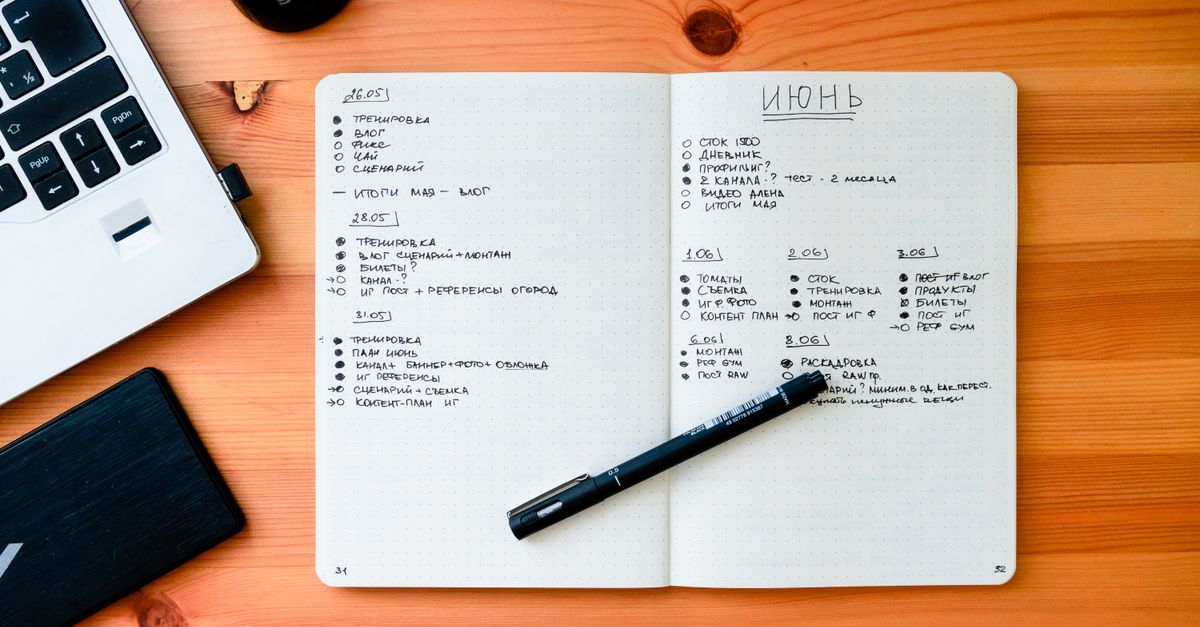
A notebook with one's own notes: this is how phrases are rehearsed before saying the name in a meeting or a classroom.

On the attendance list, in the corporate email, on the work badge, and on a contract signature, the name appears before any procedure. The difference between what the document says and what is said every day becomes visible there, in small and repeated gestures.

The images on this page do not portray the people who gave their testimony for the article. They only show everyday objects and scenes that help set the context: a desk, a classroom, a hallway.

Text byline

How a chosen name is picked when the one on the document is not enough

Writing and editing of the column

Notes signed by the editorial board pass through several hands before publication: a guest voice proposes the draft, a proofreader reviews the register, and an editor decides what stays and what gets cut. In this column about the chosen name, the material came from conversations with people from Argentina, the Dominican Republic, and other countries in the region, and it was handled with the same standard as always: tell the concrete scene before the general argument.

  • Guest voices

    Those who lend their story about how they use their name at work or school write in the first person. They are not asked for a thesis, they are asked for what happened.

  • Proofreading and editing

    The team adjusts pacing, cuts repetitions, and makes sure no sentence sounds like a slogan. If a paragraph overexplains, it is removed.

  • How to submit a text

    You can propose a topic or send a draft to the editorial board by writing to info@gendernations.com. There is no fixed length or required format.

Use of cookies We use our own and third-party cookies to ensure the site works properly and to understand how it is used. You can accept all, reject non-essential ones, or review your preferences.

Privacy policy