Gender Nations Identity, culture, and everyday conversations

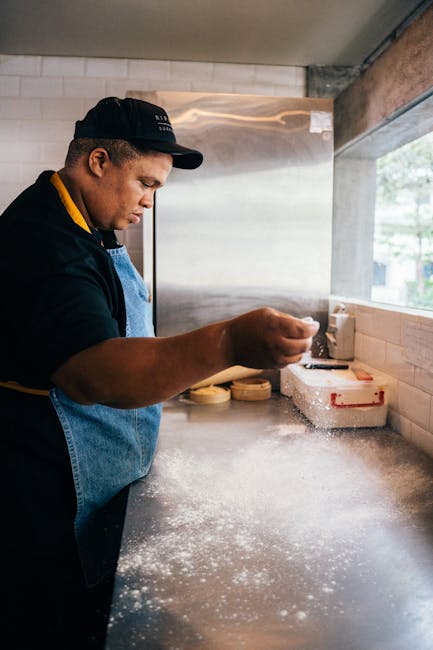
Identity is talked about in the kitchen, not in the classroom

An editorial and community space in Spanish about gender identity, culture, and everyday life. We bring together opinion columns, interviews, reading guides, and film reviews, as well as moderated forums where voices from Argentina, the Dominican Republic, and the rest of Latin America intersect. No academic jargon, no slogans: real stories about work, family, school, and friendships.

Do you have a story that deserves to be told?

You don't need to be a writer or hold an academic degree. If you experienced something at work, at school, at the family table, or among friends that helps explain what it's like to live gender identity in Latin America, that is already material for a column or an interview.

The editorial board receives texts, topic proposals, and suggestions for readings or films throughout the year. Every submission goes through review by editors and proofreaders before being published.

To keep reading

Three recent blog posts that pick up on what gets talked about in the kitchen, at the office, and in the movie theater. If any of this speaks to you, there's the thread to pull.

  1. What changes when you talk about identity at the family table

    Many conversations about identity don't start in a book, but between dessert and after-dinner talk. A column about discomfort, the badly worded question, and the silence that slips in when someone decides to speak first in their own home.

  2. How you choose a name of your own when the one on the document isn't enough

    The chosen name shows up on the attendance list, in work email, on the ID badge, and in the signature at the bottom of a contract. Notes on why using it in some spaces and not others isn't a contradiction, but a strategy.

  3. Recent Latin American cinema: bodies the camera no longer hides

    An annotated guide to films where gender identity is part of the story and not a footnote. With attention to staging, to silence, and to the specific territories where each story is anchored.

What you find when you enter Gender Nations

It is not a manual or a manifesto. It is a space where gender identity is discussed the way life is discussed: in the kitchen, at work, in the waiting room. These are the four things that sustain the community.

  1. Voices that do not ask for permission

    Opinion columns, interviews with artists, musicians, and writers, and texts from people sharing their experience from Argentina, the Dominican Republic, and other corners of Latin America. Personal narrative comes before theory.

  2. Forums where disagreement is allowed

    Moderated spaces to talk about work, family, school, and friendships without the conversation turning into a fight. There are clear rules and someone who upholds them.

  3. Guides to read and watch with attention

    Book selections, reviews of Latin American films and series, and a glossary that translates terms without academic jargon. Material to return to a movie or a text and find something new.

  4. An editorial team that listens to you

    You can suggest a topic, submit your own text, or join the monthly gatherings. Proofreaders and editors support the process so that the voice comes through whole, without an easy headline.

Use of cookies We use our own and third-party cookies to ensure the site works properly and to understand how it is used. You can accept all, reject non-essential ones, or review your preferences.

Privacy policy