Gender Nations Identity, culture, and everyday conversations
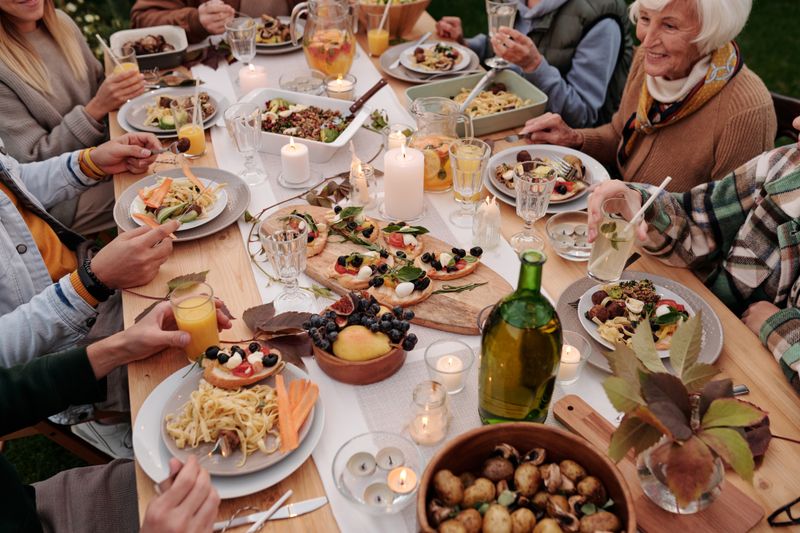
People talking around a table with cups and notebooks

What changes when you talk about identity at the family table

Everyday conversations that start in the kitchen, not in the classroom

Almost no one comes to this topic through a book. You come to it through a conversation left unfinished between the main course and dessert, when someone asked something with the wrong words and the table went quiet for a moment longer than usual.

This column takes that starting point. Not the one of theory or a well-built argument, but the one of a home kitchen, with the dishes still on the table and someone who decides to speak there before anywhere else. There is discomfort, there are poorly worded questions, there are aunts who keep insisting on the former name and siblings who correct quietly so as not to cause a scene. There are also grandmothers who say nothing and then serve more food, which is their way of staying in the conversation.

What changes when personal narrative replaces abstract argument is not the content, it is the tone. A person who tells what happens to them at work, at school, or at a birthday party forces whoever is listening to look them in the face. It is no longer a general idea being discussed, it is a discussion with someone sitting across from you who will probably come back the following Sunday.

There are also limits, and it is worth stating them without embellishment. Not every family is ready for that conversation, and forcing it can close doors that then take years to open again. There are tables where the best move is to wait, to talk with one person first, to choose a moment when there is no audience. What works in one home does not work in another, and that difference is not a failure.

We gathered voices from Argentina, the Dominican Republic, and other places in the region who tell how they talked, or how they avoided talking, about identity at Sunday lunches, birthday parties, and end-of-year dinners. There is no recipe. What there is are real scenes, with their awkwardness and their successes, so that anyone thinking about opening that conversation in their own home knows they are not alone in the discomfort.

If you have a scene like that, one of those that keeps circling in your mind, you can suggest a topic or send your text to the editorial board. The editorial team works with guest voices, proofreaders, and editors who prioritize the human story over the easy headline.

How to write to us about this column

If something in "What changes when you talk about identity at the family table" moved something in you, there are two concrete paths: write to the editorial board or go through the frequently asked questions before sending your text. There are no automated forms or responses with fixed deadlines: we read by hand, between editions, and we reply when the email reaches the right inbox.

Email to the editorial board

To propose a topic, submit a column, or comment on a family scene you would like to see published. Tell us where you are writing from and what you are interested in sharing; the text does not need to come proofread.

Call for specific inquiries

If you prefer to talk before writing, the phone is available for questions about submissions, the use of your name in the publication, or permission to quote someone in your family.

Postal correspondence

We also receive letters and printed materials. It is the slowest route, but it works when you want to send clippings, family photos, or handwritten texts.

What changes when you talk about identity at the family table

A visual journey through the gestures that accompany the conversation about identity at home: the set table, the half-finished cups, the notebooks where someone writes down what they didn't dare say out loud. The images accompany the column about the family table as the first space for conversation.

People talking around a table with cups and notebooks
After-meal conversation as a starting point The conversation about gender identity rarely begins in a classroom. It usually begins here, among plates no one is touching anymore and a question someone dares to ask badly.

The article gathers everyday scenes from Argentina, the Dominican Republic, and other countries in the region: the aunt who asks about the chosen name, the brother who corrects another relative, the grandmother who stays silent and then serves more food. There is no single way to sustain that conversation, and forcing it when no one is ready can close doors that take years to open.

If you have a scene of your own to add, you can propose a topic or send your text to the editorial board through the contact page.

What changes when you talk about identity at the family table

This text is part of the first installment of the Gender Nations blog, an editorial space in Spanish about gender identity, culture, and everyday life. The column starts from a simple scene: the family table as the first place where identity becomes conversation, sometimes awkward, sometimes tender.

If you would like to propose a topic or submit a text to the editorial board, you can write to info@gendernations.com. You can also learn more about the community on the page about us or browse the other columns in the blog.

Use of cookies We use our own and third-party cookies to ensure the site works properly and to understand how it is used. You can accept all, reject non-essential ones, or review your preferences.

Privacy policy