Gender Nations Identity, culture, and everyday conversations

Behind every text there is a conversation that was worth having

Gender Nations is a Spanish-language newsroom and community about gender identity, culture, and everyday life. We publish opinion columns, interviews with artists, musicians, and writers, reading guides, film and series reviews, a glossary of terms, and moderated forums where people from Argentina, the Dominican Republic, and Latin America share what happens to them at work, at school, in the family, and among friends.

We edit with guest voices, proofreaders, and editors who prefer the human story over the easy headline. If you have a topic to propose or a text for the editorial board, that door is open.

How each edition is put together

Gender Nations was born as a conversation that did not fit in the spaces where gender identity was discussed in a textbook tone. We prefer the story of someone telling what happened to them at the office, at home, or at school over the slogan that sums everything up in one line.

The voice before the topic

When a text reaches the editorial board, the first thing we review is not the subject or how current the headline is: it is whether there is someone speaking from a specific place. Opinion columns, interviews with artists, musicians, and writers, reading guides, and film and series reviews go through the same filter. If the story holds up only on borrowed arguments, we send it back with comments.

Proofreading with an ear

We work with guest voices, proofreaders, and editors who read aloud before closing a piece. The idea is for the text to sound like a person and not like a press release. We adjust rhythm, cut excess adjectives, and make sure the glossary of terms does not become a wall between the writer and the reader from Argentina, the Dominican Republic, or any other point in Latin America.

Forums and gatherings as a continuation

Moderated forums and monthly meetups exist so that the conversation does not end at the last line of a column. There, experiences about work, family, school, and friendships appear that later feed new texts. It is also the place where topics are proposed and where someone decides, for the first time, to send in what they had kept in a notebook.

Images that accompany our conversations

A selection of visual records that illustrate the topics we cover in the editorial team: the family table, the name chosen at work, the movie theater, and the spaces where identity becomes an everyday story.

Gender Nations: about
Everyday scene

An ordinary after-meal conversation, with half-finished cups and scattered notes. This is how many of the columns we publish about identity in the family setting begin.

Gender Nations: about
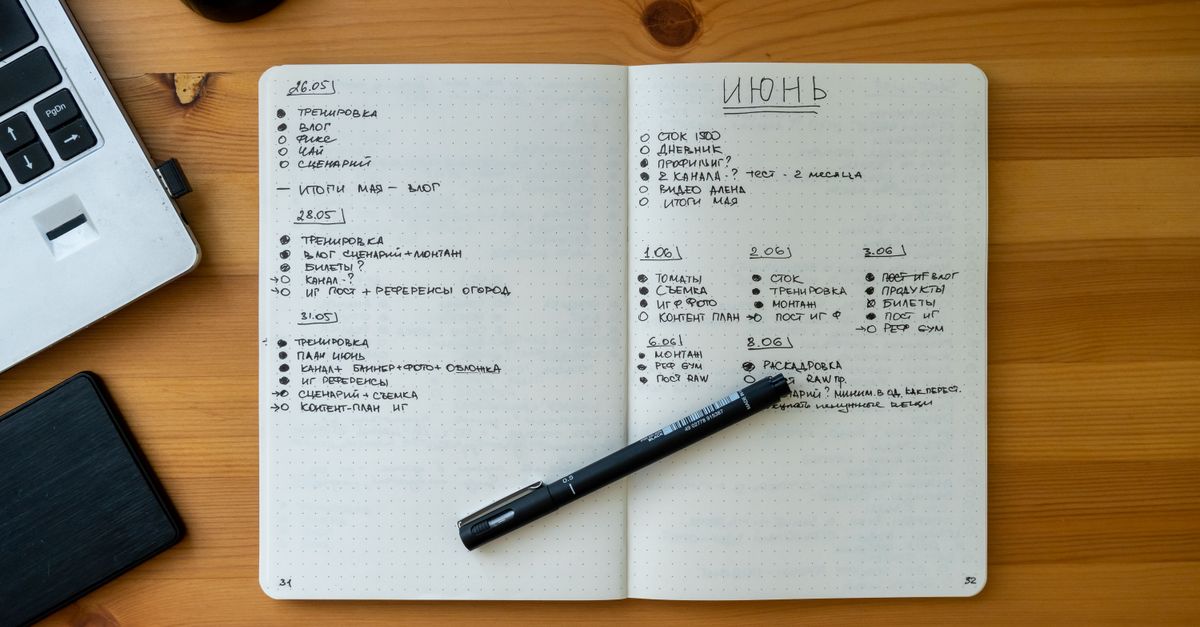
Editorial work

Notes, corrections, and drafts that pass through several hands before reaching the site. The chosen name, work and school contexts often appear on these pages.

Gender Nations: about
Film and series

Empty seats before the screening. From there we look at recent Latin American cinema and the series discussed by our reading community.

The images are archival and serve as visual support for the editorial topics we cover. They do not represent specific people or community projects.

An editorial approach that starts with the person, not the headline

Gender Nations is an editorial and community space in Spanish about gender identity, culture, and everyday conversations. We are not here to tell you how you should talk about the subject: we publish opinion columns, interviews with artists, musicians, and writers, reading guides, film and series reviews, a glossary of terms, and moderated forums where people share what happens to them at work, at school, in the family, and among friends.

Who we write for

For readers in Argentina, the Dominican Republic, and the rest of Latin America who want real conversations, without academic jargon or slogans. People who arrive with a specific question and prefer an honest story over a closed answer.

How each text is produced

The editorial team works with guest voices, proofreaders, and editors. Before publishing, we review the tone, we make sure that the experience of the person writing is not reduced to a label, and we prefer the human story over the easy headline. When a topic needs more than one perspective, we look for another voice to discuss it seriously.

You can propose a topic or submit a text to the editorial board, and every month there are open gatherings to continue the conversation away from the screen.

Use of cookies We use our own and third-party cookies to ensure the site works properly and to understand how it is used. You can accept all, reject non-essential ones, or review your preferences.

Privacy policy